To subscribe to Vector in print, join the BSFA. Members can also access digital editions of all recent issues. Older issues of Vector are available as open-access publications.
Vector 302 (Winter 2026)

Guest edited by Yen Ooi and Stephen Oram. Cover by Mika Tohmon (@mikatohmon).
The first of two special issues on ‘Zoefuturism,’ Vector 302 includes contributions by Jesse Rowell, Joey Eschrich, Ed Finn, Christine Aicardi, Grant Wythoff, David Polfeldt, Matt Finch, Bette Adriaanse, Jasper Kang, LYU Guangzhao, and Zhui Ning Chang, alongside regular columns by Paul Kincaid, Nick Hubble, and Marta Suarez.
Vector 301 (Summer 2025)

Cover by HYUNJIN SEO @glejinn
In addition to our regular columns, “Kincaid in Short” by Paul Kincaid, “The Resistance” by Nick Hubble, “Futures Imperfect” by Paul Graham Raven, this issue’s offerings include: “Delicious in Dungeon. Dine or Die with a Pinch of Comedy” by Marta F. Suarez, and “Energy Economies in Science Fiction” by Jo Lindsay Walton, editor at large. Phoenix Alexander, editor-in-chief, interviews Connor Jackson about the ‘Dead Rising’ series and zombie consumers. A discussion on cultivated meat is served by Mahmud El Sayed and James Henstock. A sophisticated final piece, “Ethical Dilemmas in the Imagination of Future Food: A Cross-Temporal Dialogue between Daoist Immortal Tales and Modern Science Fiction,” has been brought to you by XIAO Dana.
Vector 300 (Winter 2024)
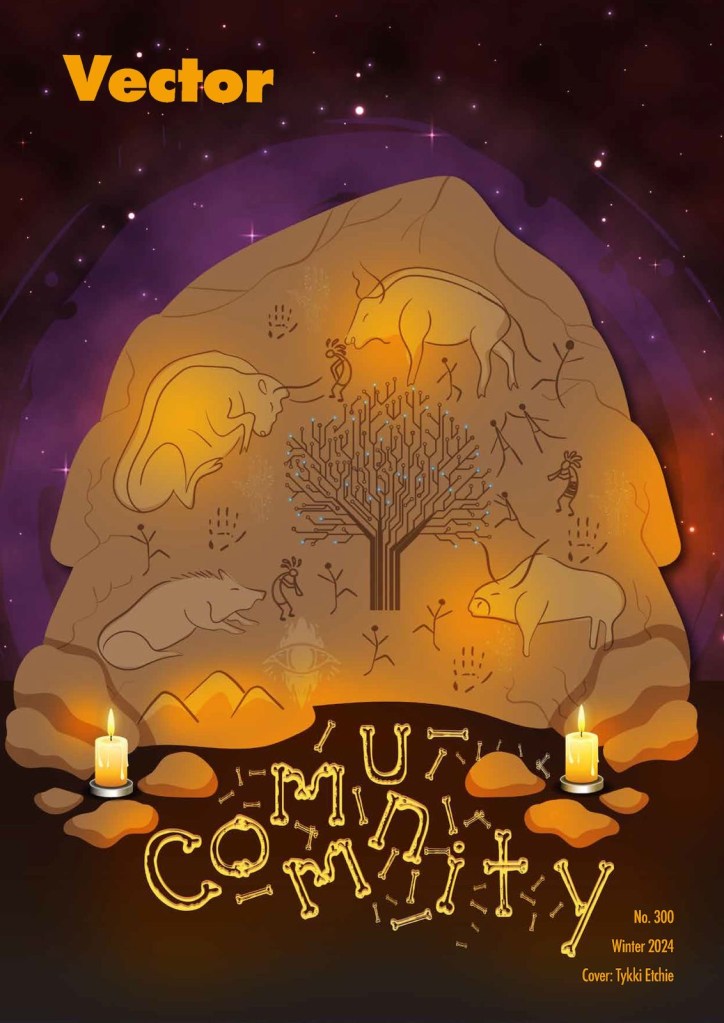

Our milestone 300th issue is edited by Phoenix Alexander and Polina Levontin. With contributions by Teika Marija Smits, James Reath, Ibtisam Ahmed, Vladimir Poleganov, Eugen Bacon, and Jo Lindsay Walton, and regular columns from Nick Hubble, Paul Kincaid, Paul Graham Raven, and Dr. Marta Suarez.
Cover art by Tykki; back cover art by Yevgeniya Lapik.
Vector 299 (April 2024)
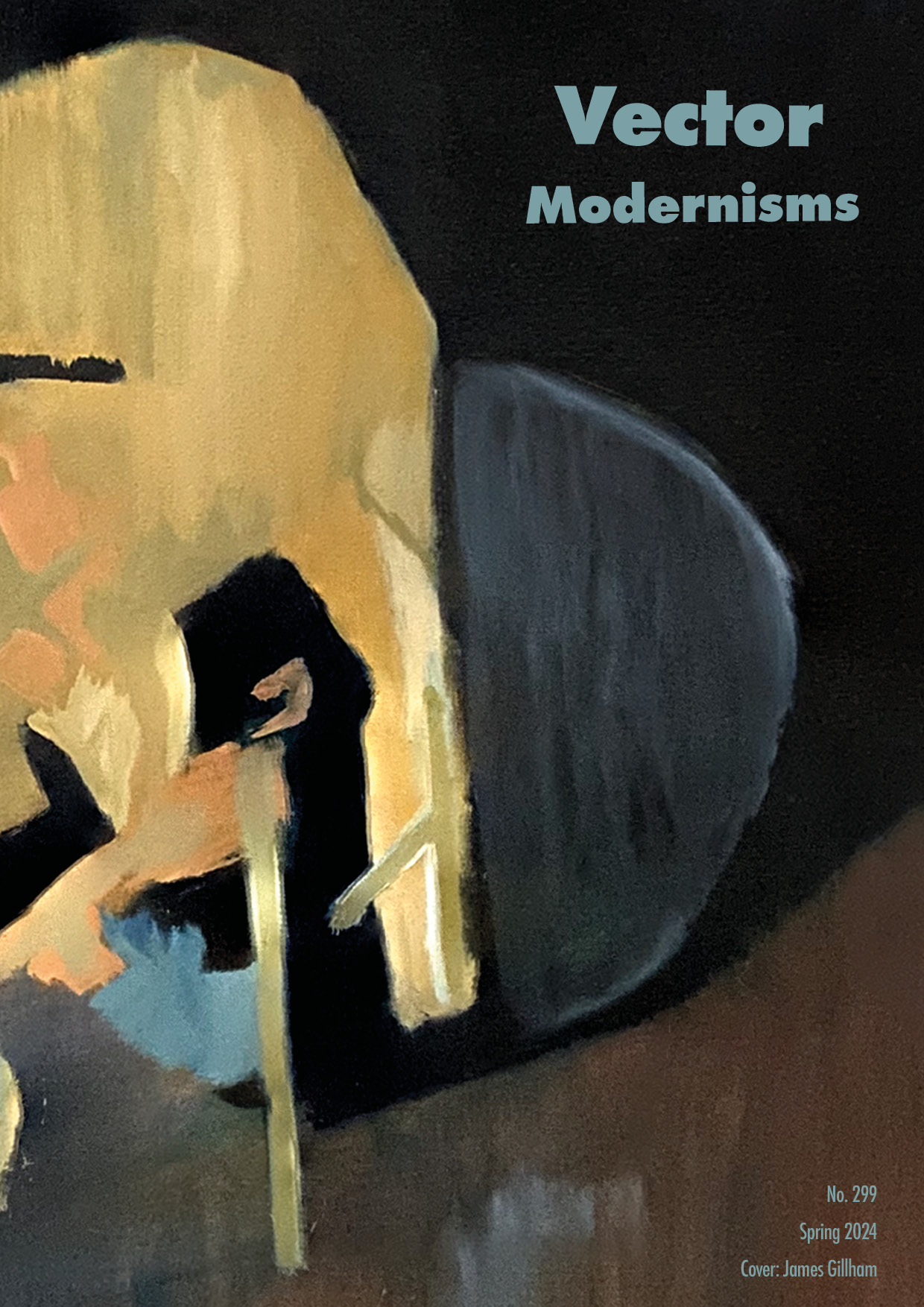
Guest edited by Paul March-Russell. With contributions by Angela Acosta, Nick Hubble, Paul Kincaid, Nina Allan, Andrew M. Butler and a new regular column by Kat Kourbeti. Includes an interview with Kim Stanley Robinson by Henry Farrell, book reviews, and a tribute to Christopher Priest by Paul March-Russell.
Cover art by James Gillham.
Future issues:
Would you like to contribute to future issues of Vector? Visit our Submit page and keep an eye out for the call for submissions, or get in touch with an informal query.
Back issues:
An index of back issues of Vector can be found at the ISFDB. For availability of individual print issues, please contact us. A couple of issues (e.g. on African SF and on Speculative Economics) are available for purchase.
Many earlier issues of Vector are also available for download on this site, or through FANAC. Digital editions of more recent issues are available to BSFA members.
To subscribe to Vector, join the British Science Fiction Association. Membership is open to anyone in the world. Members receive Vector, FOCUS, the BSFA Review, special one-off publications, and other benefits. The BSFA is a nonprofit organisation, entirely run by volunteers.
 vector-bsfa.com