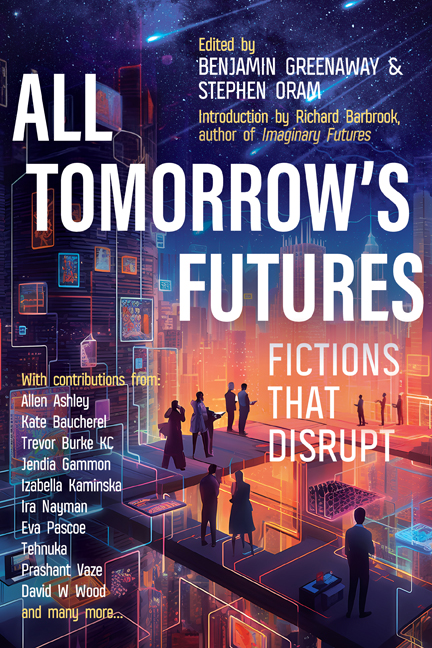
Explore where technology might take us and what that might mean for how we live with this anthology that brings together experts and writers.
It’s easy to view fiction as merely entertainment and escapism (both important in their own right), but stories – especially science and speculative fiction (SFF) – are also wonderful tools for exploring and learning, imagining possibilities and seeing how they might work. It is serious play and playful thinking.
It’s almost a tenet of SFF that technology is secondary to the story. While SFF writers tend to explore ideas and the stories those ideas generate, their technology may be plausible but there’s no requirement for it to be. There are, however, countless movies and TV shows where an interesting premise is undermined by technology that absolutely doesn’t work. Futurists and researchers explore possibilities and trends, making predictions that are intended as realistic extrapolations of real or expected technology, with none of the Hollywood handwaving and convenient MacGuffins, but while fictional case studies illustrating predictions are so common that you’ll find them in IKEA’s latest research about homes and living, they rarely have the kind of characters, plot and drama that makes for compelling fiction.
What if you could combine the two, with experts and authors collaborating to write about possible futures in ways that are not just plausible but creative, with equally strong stories and technical chops? Like Cybersalon’s previous anthology, 22 Ideas About the Future, All Tomorrow’s Futures is predicated on (mostly) plausible technology and the impacts such technological developments might have on justice, energy, digital money, health and education.
Continue reading “Mary Branscombe reviews All Tomorrow’s Futures: Fictions that Disrupt”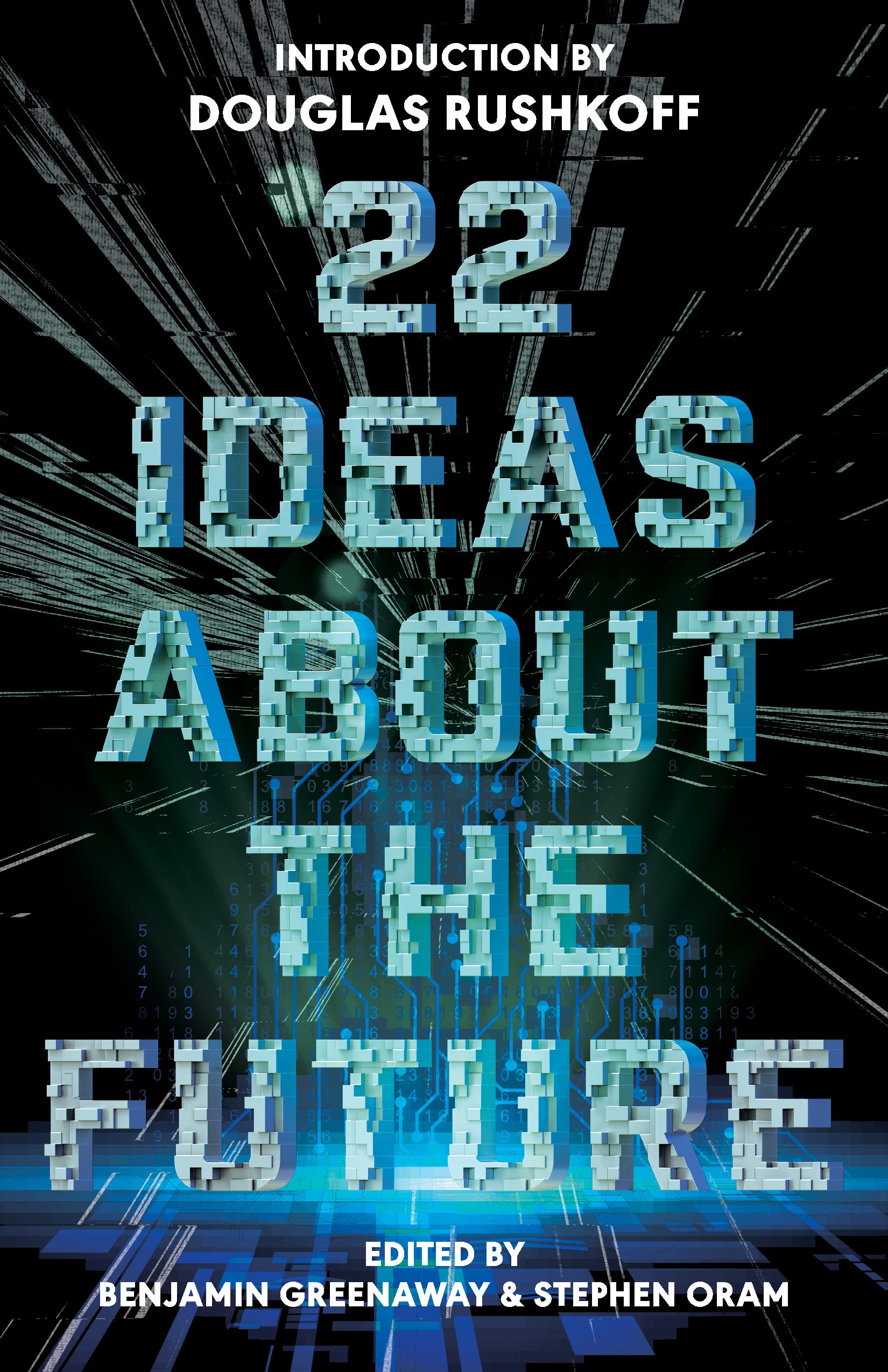
 vector-bsfa.com