Applications are now open for the 2018 Science Fiction Foundation Masterclass in Science Fiction Criticism. The 2018 Masterclass, the Eleventh, will take place from Friday 29 June to Sunday 1 July. This year we will be at Anglia Ruskin University.
The 2018 Class Leaders are:
Nick Hubble (Brunel University) – Nick is co-editor of the Science Fiction Handbook (2013) and London in Contemporary British Fiction (2016)
John J. Johnston (Egypt Exploration Society) – John is co-editor of the mummy anthology Unearthed, his introduction for which was shortlisted for the BSFA Award for Non-Fiction.
Stephanie Saulter (author) – Stephanie is the author of Gemsigns and its sequels
Price: £225; £175 for registered postgraduate students.
To apply please send a short (no more than 3,000 words) piece of critical writing (a blog entry, review, essay, or other piece), and a one page curriculum vitae, to farah.sf@gmail.com.
Applications received by 1 March 2018 will be considered by an Applications Committee. Applications received after 30 March may be considered if places are still available, on a strictly first-come first served basis.
A deposit of £50 will be payable within a week of acceptance. This deposit is only refundable in the event of another student taking your place
Past Masterclass students are encouraged to apply again (though we will prioritise applications from those who have not been previous students).
Information on past Masterclasses can be found at http://www.sf-foundation.org/masterclass. Please direct any enquiries to masterclass@sf-foundation.org.
 Westworld: how far away is this future?

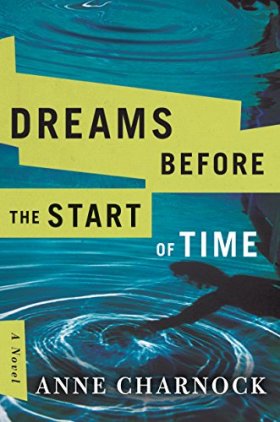 The themes of Anne’s latest novel Dreams Before the Start of Time evolved from ideas about reproductive technologies likely to be with us within the next forty years. The book explores the psychological, ethical, legal and social implications of these technologies by following generations of the same family into the future as they take advantage of these new opportunities and deal with the unexpected consequences. Anne believes that fiction offers the best means of analytically, emotionally and aesthetically engaging with the potential impacts of innovations and trends, from our ‘reproduction’ as digital selves to artificial intelligence, genetic engineering and the emergence of China as both a strategic world player and presence in our future lives.
 Not Before Sundown
 Hermetic Island by
 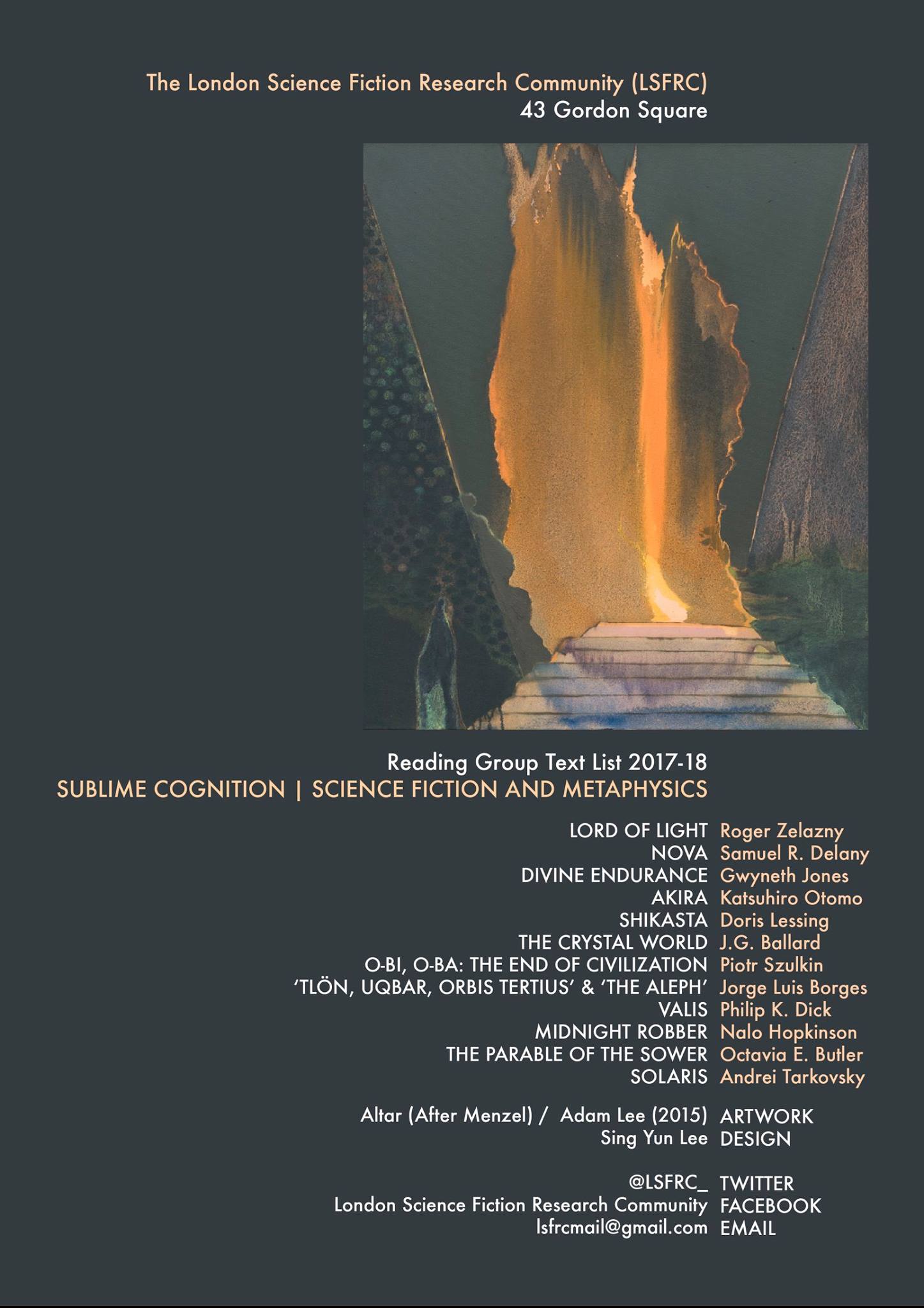 LSFRC Sublime Cognition poster by Sing Yun Lee
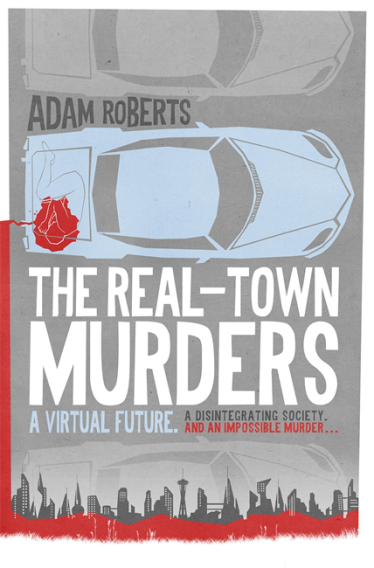 Both novels blend crime fiction and science fiction, challenging the genre boundaries. A Man of Shadows is the film noir-influenced story of a 1940s-style gumshoe private eye searching for a teenage runaway, while The Real-Town Murders follows another private investigator trying to solve a case that seems impossible. The idea for the murder came from Alfred Hitchock, who posited: what if a dead body was discovered in the boot of a car that had been assembled by an automatic factory with no human intervention? Hitch said that if he could work out how the body got there he would make the film. He couldn’t, so never did and now Adam Roberts has picked up the challenge.
